
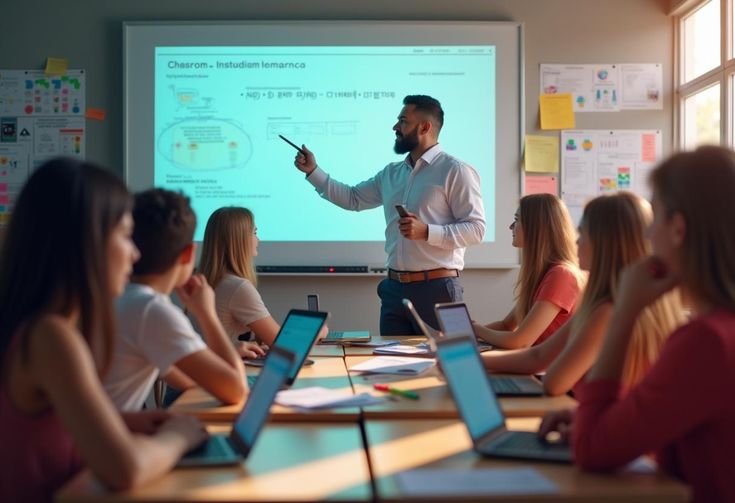
Education has undergone a profound transformation in recent years, driven by technological advancements, digital learning platforms, and evolving career demands. Traditional classroom learning has expanded to include online courses, interactive tools, and global resources, making education more accessible, flexible, and personalized. Modern education not only focuses on academic knowledge but also equips students with skills that are relevant in a competitive job market.
One of the key drivers of change in education is the integration of technology. Digital classrooms, e-learning platforms, and educational apps allow students to access resources anytime and anywhere. This flexibility has made learning more inclusive, accommodating students who may not have access to conventional schooling due to geographical, financial, or personal constraints. Technology has democratized education, enabling learners to pursue knowledge at their own pace.
Online learning platforms have revolutionized skill acquisition. From coding and digital marketing to language learning and professional certifications, students can enroll in courses tailored to their career goals. These platforms offer interactive content, quizzes, and assignments that provide a comprehensive understanding of subjects while allowing learners to track their progress. The convenience and variety of online education have made it an increasingly popular choice for lifelong learning.
Higher education institutions are also embracing digital tools. Universities and colleges now offer hybrid programs, combining in-person classes with online modules. This approach enhances flexibility for students and allows institutions to reach a wider audience. Students can access lectures, study materials, and collaborative tools online, creating a seamless learning experience that integrates technology with traditional education.
Personalized learning has emerged as a critical trend in modern education. Adaptive learning technologies analyze student performance and tailor content to individual needs. This personalized approach helps students focus on areas requiring improvement while advancing faster in subjects they excel in. By addressing unique learning styles, educators can enhance engagement, retention, and overall academic outcomes.
Skill-based education has gained prominence in today’s competitive job market. Employers increasingly value practical skills alongside academic knowledge. Educational programs now emphasize problem-solving, critical thinking, collaboration, and digital literacy, preparing students to meet the demands of modern careers. Skill-based learning bridges the gap between theoretical knowledge and workplace requirements, improving employability and career readiness.
Vocational training and certification programs provide practical career pathways for students seeking specific skills. Fields such as healthcare, IT, engineering, hospitality, and business offer specialized courses that equip learners with industry-relevant expertise. These programs often include internships or project-based learning, enabling students to gain hands-on experience and develop confidence before entering the workforce.
Education is no longer confined to age or geography. Lifelong learning has become essential for career growth and personal development. Professionals regularly upskill through online courses, workshops, and certifications to remain competitive in evolving industries. Continuous education empowers individuals to adapt to changing job requirements, technological advancements, and emerging career opportunities.
The role of educators has also evolved. Teachers and trainers now act as facilitators, guiding students in navigating resources, applying knowledge, and developing critical thinking skills. Technology allows educators to track student performance, provide timely feedback, and design interactive lessons that cater to different learning styles. This shift emphasizes active learning and student engagement rather than passive knowledge transfer.
Education technology (EdTech) startups are driving innovation in learning experiences. Platforms offering virtual simulations, gamified content, and AI-driven assessments enhance engagement and knowledge retention. Gamification motivates learners by incorporating challenges, rewards, and interactive elements, making education enjoyable while promoting skill development. These tools transform the traditional learning environment into a dynamic, interactive ecosystem.
Access to global resources has expanded learning opportunities. Students can attend webinars, participate in online discussions, and collaborate with peers worldwide. Exposure to diverse perspectives enhances critical thinking, cultural awareness, and creativity. Digital connectivity allows learners to access research, expert insights, and global case studies, enriching the educational experience beyond local limitations.
Assessment and evaluation methods have also evolved. Online assessments, adaptive tests, and continuous feedback mechanisms provide a more accurate understanding of student performance. Traditional exams are supplemented with practical projects, peer evaluations, and portfolio assessments, ensuring a holistic approach to measuring learning outcomes. These modern assessment techniques prepare students for real-world problem-solving and critical thinking challenges.
Higher education and professional courses are increasingly aligned with industry requirements. Universities collaborate with companies to design curricula that meet current market demands. Internship programs, industry projects, and live case studies provide practical exposure and networking opportunities. Such integration bridges the gap between academic learning and career readiness, making graduates more employable.
Remote learning and virtual classrooms have expanded educational access for students in rural and underserved areas. Internet connectivity and digital resources allow learners to participate in quality education without relocating. This accessibility promotes equity in education, ensuring that talent and potential are not limited by geographical constraints.
Education also emphasizes soft skills development. Communication, teamwork, leadership, adaptability, and problem-solving are increasingly integrated into curricula. These skills complement technical knowledge, preparing students for collaborative work environments and leadership roles. Holistic education ensures that learners are well-rounded and ready to succeed in diverse career paths.
Scholarships, online courses, and government initiatives have further enhanced educational opportunities. Financial support, free resources, and awareness programs make education more accessible and inclusive. Students can pursue higher education and skill development without being constrained by financial limitations, fostering a culture of learning and growth.
The future of education is closely tied to technology, innovation, and skill development. Artificial intelligence, virtual reality, and augmented reality are transforming learning experiences, making education more interactive and immersive. AI-driven analytics allow personalized recommendations, adaptive learning, and improved performance tracking. Virtual reality simulations provide hands-on experience in fields such as medicine, engineering, and aviation, enhancing practical knowledge and readiness for real-world challenges.
In conclusion, modern education is evolving rapidly, driven by technology, skill-based learning, and global accessibility. From online courses and digital classrooms to vocational training and lifelong learning, students and professionals have unprecedented opportunities to acquire knowledge, develop skills, and pursue rewarding careers. By embracing technological advancements and adopting a personalized, skill-focused approach, education continues to empower individuals to achieve personal growth, professional success, and meaningful contributions to society.