
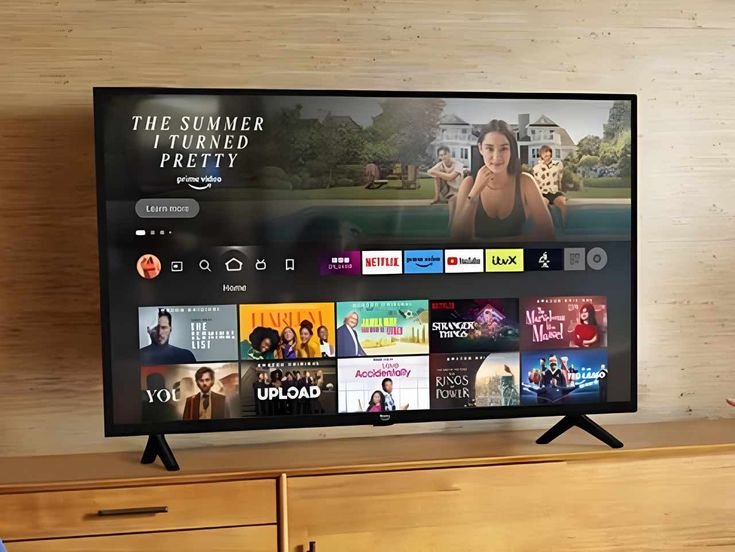
The entertainment industry has undergone a remarkable transformation in recent years, driven by technological advancements, changing audience preferences, and the rise of digital platforms. From movies, television, and music to streaming services, gaming, and live events, entertainment has become more accessible, personalized, and interactive. This evolution has created new opportunities for creators, professionals, and audiences worldwide, redefining how people consume and engage with content.
One of the most significant changes in entertainment is the shift from traditional media to digital platforms. Streaming services have revolutionized the way people watch movies, television shows, and documentaries. Platforms like Netflix, Amazon Prime, and Disney+ provide on-demand access to content, allowing viewers to watch their favorite shows at their convenience. This flexibility has changed consumption patterns, enabling binge-watching and personalized viewing experiences.
Music consumption has also evolved with digital platforms. Streaming services such as Spotify, Apple Music, and YouTube Music provide instant access to millions of songs across genres. Artists can reach global audiences without relying solely on traditional radio or physical album sales. The accessibility of music streaming has democratized the industry, allowing emerging artists to showcase their talent and connect directly with listeners.
The gaming industry has experienced exponential growth, becoming one of the largest sectors within entertainment. Video games, esports, and mobile gaming offer immersive experiences and interactive storytelling. Advanced graphics, online multiplayer platforms, and virtual reality technology have transformed gaming into a social and competitive activity. Gaming has also opened career opportunities in design, development, broadcasting, and professional competition.
Social media has become a powerful tool in entertainment, allowing creators to reach and engage audiences directly. Platforms such as YouTube, TikTok, Instagram, and Snapchat enable content creators to produce short-form videos, live streams, and interactive experiences. This shift has given rise to new forms of celebrity and influencer culture, where individuals can build careers and monetize content through digital channels.
Live events and experiences continue to hold significance in the entertainment industry. Concerts, theater performances, film festivals, and sports events provide immersive experiences that cannot be fully replicated online. Event management, production, and performance roles have adapted to incorporate hybrid formats, offering live streaming options to expand audience reach and engagement.
Content creation has become more accessible due to affordable technology and user-friendly tools. High-quality cameras, editing software, and online publishing platforms allow aspiring creators to produce professional content from home. This accessibility has led to a surge in independent filmmakers, musicians, writers, and digital content creators, diversifying the range of entertainment available to audiences.
The rise of artificial intelligence and data analytics has influenced content production and distribution. AI tools help analyze audience preferences, predict trends, and personalize recommendations. Streaming platforms use algorithms to suggest content based on viewing history, increasing engagement and retention. Data-driven insights also assist creators and studios in making informed decisions about content production and marketing strategies.
Animation, visual effects, and CGI technologies have transformed storytelling in movies, television, and gaming. High-quality visual experiences attract larger audiences and enhance narrative possibilities. Industries such as advertising, education, and virtual reality also leverage these technologies, expanding the scope of entertainment beyond traditional formats.
The entertainment industry is increasingly embracing global collaboration. International co-productions, cross-border streaming rights, and multilingual content have expanded reach and diversity. Audiences now have access to content from different cultures and languages, fostering cross-cultural appreciation and global connectivity. This globalization also creates new career opportunities for professionals in production, translation, marketing, and distribution.
Advertising and marketing strategies in entertainment have evolved with digital platforms. Social media campaigns, influencer partnerships, targeted ads, and interactive promotions are essential to reach modern audiences. Creators and studios now rely on digital marketing to promote content, engage viewers, and build fan communities, enhancing overall visibility and revenue potential.
The role of technology in live performances has expanded the possibilities for audience engagement. Virtual reality concerts, augmented reality experiences, and interactive performances allow audiences to participate remotely while maintaining an immersive experience. These innovations have become particularly important in reaching global audiences and adapting to situations where in-person gatherings are limited.
Careers in the entertainment industry are diverse and multifaceted. Professionals can work in acting, directing, writing, music production, sound engineering, cinematography, animation, marketing, event management, or digital content creation. The industry offers opportunities for individuals with varied skills and interests, from creative talent to technical expertise and business management.
Education and training have adapted to support careers in entertainment. Institutions and online platforms offer specialized courses in filmmaking, music production, game development, animation, and media management. These programs provide hands-on experience, industry knowledge, and exposure to modern tools, preparing students for the evolving demands of the entertainment sector.
Audience expectations have shifted toward more personalized, interactive, and on-demand content. Consumers seek experiences that align with their preferences, lifestyles, and schedules. The entertainment industry responds to these demands by offering flexible content delivery, interactive features, and niche offerings that cater to diverse tastes and interests.
Sustainability and social responsibility have also become considerations in the entertainment industry. Studios and production houses are adopting eco-friendly practices, ethical storytelling, and inclusive representation. Audiences increasingly value content that reflects diversity, equity, and environmental awareness, influencing both content creation and corporate policies.
Technology, creativity, and audience engagement are at the core of modern entertainment. Professionals in the industry must adapt to evolving trends, embrace new tools, and continuously develop their skills. Those who combine creative talent with technical proficiency and marketing insight are likely to thrive in this dynamic environment.
In conclusion, the entertainment industry has transformed dramatically due to digital innovation, changing consumer behavior, and technological advancements. Streaming platforms, gaming, social media, and live events have redefined how people experience entertainment. Career opportunities in this sector are abundant and varied, offering pathways for creative, technical, and business-oriented professionals. As the industry continues to evolve, staying updated with trends, technology, and audience preferences will be key to success in this exciting and rapidly growing field.