
1. Introduction
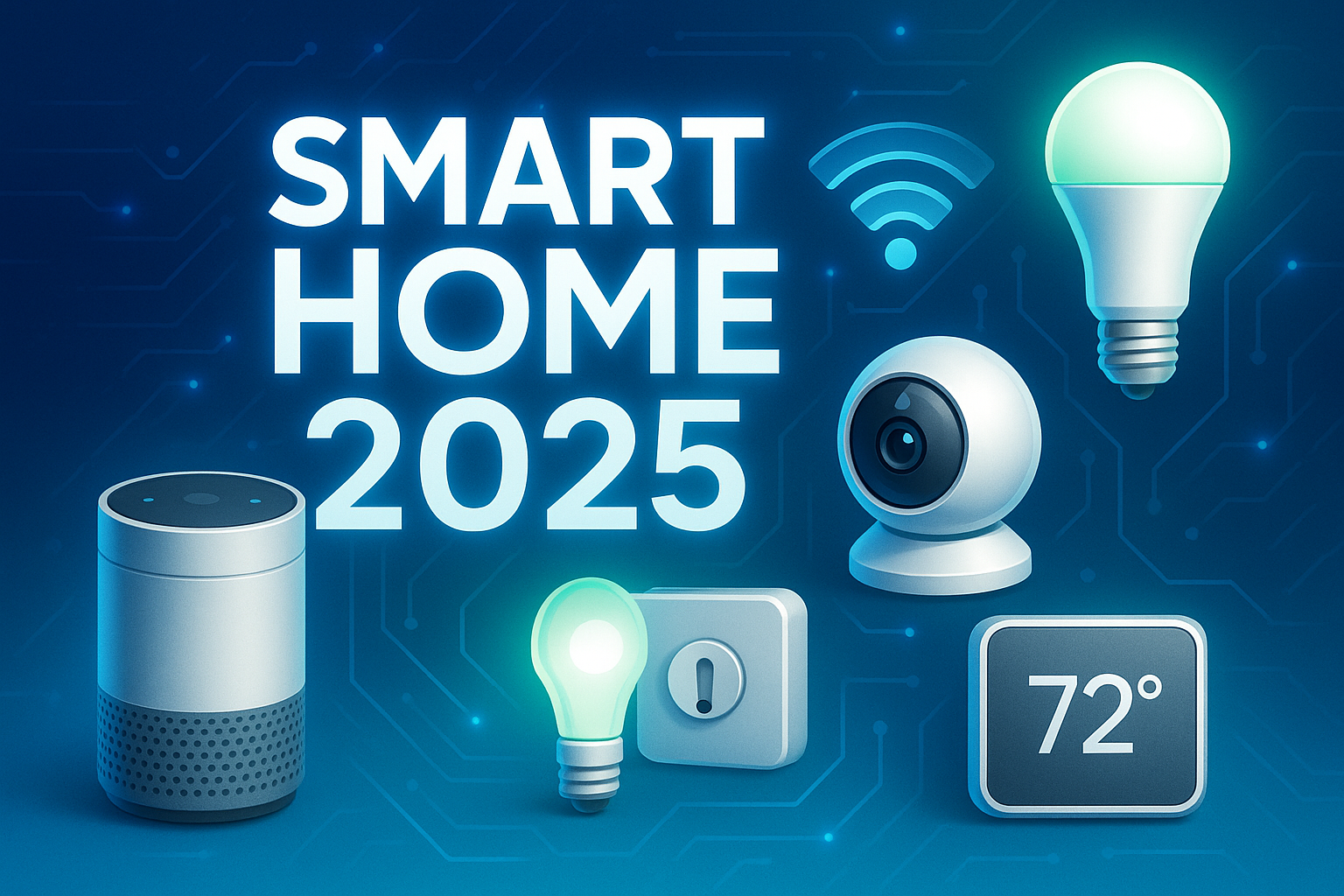
Smart home technology has become increasingly accessible in 2025, transforming the way we live. From voice-controlled assistants to connected appliances, these devices can simplify daily routines, improve energy efficiency, and even enhance security.
This blog explores how smart home devices can make life easier, more convenient, and enjoyable.
2. Key Benefits of Smart Home Devices
- Convenience: Automate daily tasks like lighting, temperature control, and appliance management
- Energy Efficiency: Smart thermostats, lights, and plugs help reduce electricity bills
- Security: Smart locks, cameras, and sensors provide real-time monitoring
- Accessibility: Voice assistants make homes more inclusive for people with mobility or vision challenges
- Entertainment Integration: Seamless control of TVs, music systems, and streaming platforms
3. Popular Smart Home Devices in 2025
1. Smart Speakers & Voice Assistants
- Examples: Amazon Echo, Google Nest Audio, Apple HomePod
- Features: Voice commands, reminders, music streaming, controlling other devices
- Benefit: Hands-free convenience and home automation hub
2. Smart Lighting
- Examples: Philips Hue, LIFX, Nanoleaf
- Features: Schedule lights, adjust brightness and colors, control remotely
- Benefit: Set moods, improve energy efficiency, and enhance safety
3. Smart Thermostats
- Examples: Nest Thermostat, Ecobee SmartThermostat
- Features: Auto-adjust temperature, energy usage reports, remote control
- Benefit: Save on energy bills and maintain comfort
4. Smart Security Devices
- Examples: Ring Video Doorbell, Arlo Cameras, smart locks
- Features: Real-time alerts, remote monitoring, two-way communication
- Benefit: Enhanced security and peace of mind
5. Smart Kitchen Appliances
- Examples: Smart fridges, coffee makers, ovens, and robotic vacuum cleaners
- Features: Remote monitoring, voice control, scheduling, energy optimization
- Benefit: Simplifies cooking, cleaning, and daily chores
6. Smart Home Hubs
- Examples: Samsung SmartThings, Hubitat
- Features: Integrates multiple devices, automates routines
- Benefit: Centralized control for a cohesive smart home experience
4. How Smart Home Devices Improve Daily Life
- Morning Routine: Wake up to smart lights, automated coffee machines, and temperature control
- Work from Home: Voice assistants manage reminders, lights, and music for focus
- Home Security: Monitor your property remotely while traveling
- Energy Savings: Automated devices optimize electricity usage
- Entertainment: Stream music, videos, or connect smart TVs seamlessly
5. Tips for Setting Up a Smart Home in 2025
- Start Small: Begin with essentials like smart lights or a voice assistant
- Ensure Compatibility: Make sure devices work with your hub or ecosystem
- Use Automation: Set schedules and triggers for repetitive tasks
- Secure Your Devices: Update firmware regularly and use strong passwords
- Expand Gradually: Add cameras, smart plugs, and kitchen appliances as needed
6. Challenges to Consider
- Privacy Concerns: Always be aware of data collection by smart devices
- Connectivity Requirements: Reliable Wi-Fi is essential
- Cost: Some devices can be expensive upfront, though long-term savings are possible
- Learning Curve: Familiarizing yourself with multiple apps and integrations may take time
7. Final Thoughts
Smart home devices are not just a luxury—they’re practical tools that enhance convenience, security, and efficiency in daily life.
In 2025, with affordable devices, better integration, and AI-powered assistants, creating a smarter, safer, and more enjoyable home has never been easier.
